As we move beyond the age of 50, our bodies begin to change in ways we can see—and in ways we cannot. Many people notice graying hair, slower metabolism, or aching joints. What often goes unnoticed, however, are the silent changes happening inside the heart.
Heart disease remains one of the leading causes of death among adults over 50. The frightening part is that many heart conditions develop quietly over many years before showing obvious symptoms. What feels like ordinary fatigue, indigestion, or simply “getting older” can sometimes be the body’s early warning signal that something much more serious is happening.
Recognizing these signs early can save lives.
## Why Heart Problems Become More Common After 50
Aging naturally affects the cardiovascular system. Blood vessels may become less flexible, cholesterol can accumulate in the arteries, and years of lifestyle habits begin to leave their mark.
Several factors increase the risk of heart problems after 50:
* High blood pressure
* High cholesterol
* Diabetes
* Smoking history
* Lack of exercise
* Obesity
* Chronic stress
* Family history of heart disease
Even people who consider themselves healthy may develop heart conditions without realizing it.
That is why paying attention to your body becomes more important than ever.
## 1. Unusual Fatigue That Doesn’t Improve With Rest
One of the earliest signs of heart trouble is persistent and unexplained fatigue.
Many adults assume exhaustion is simply part of aging. They blame retirement stress, poor sleep, or a busy schedule. However, when the heart struggles to pump blood efficiently, muscles and organs receive less oxygen-rich blood, leaving the body feeling drained.
You should pay attention if you notice:
* Feeling exhausted after simple activities.
* Needing more naps than usual.
* Becoming tired after climbing a few stairs.
* Feeling weak despite sleeping well.
This type of fatigue often develops gradually and may worsen over time.
If ordinary daily tasks suddenly feel unusually difficult, your heart may be asking for help.
## 2. Shortness of Breath During Everyday Activities
Breathing should not become a struggle during routine activities.
Many people over 50 begin noticing that they become winded while walking, gardening, carrying groceries, or climbing stairs. While reduced fitness can contribute, persistent shortness of breath deserves medical attention.
When the heart cannot pump blood effectively, fluid may accumulate in the lungs, making breathing more difficult.
Warning signs include:
* Difficulty breathing while lying flat.
* Waking up at night feeling breathless.
* Becoming short of breath after mild exertion.
* Needing frequent breaks during activities that once felt easy.
Shortness of breath is one of the most commonly overlooked symptoms of heart disease.
## 3. Chest Discomfort That Comes and Goes
Hollywood movies have taught people to expect dramatic chest pain during heart attacks.
Reality is often very different.
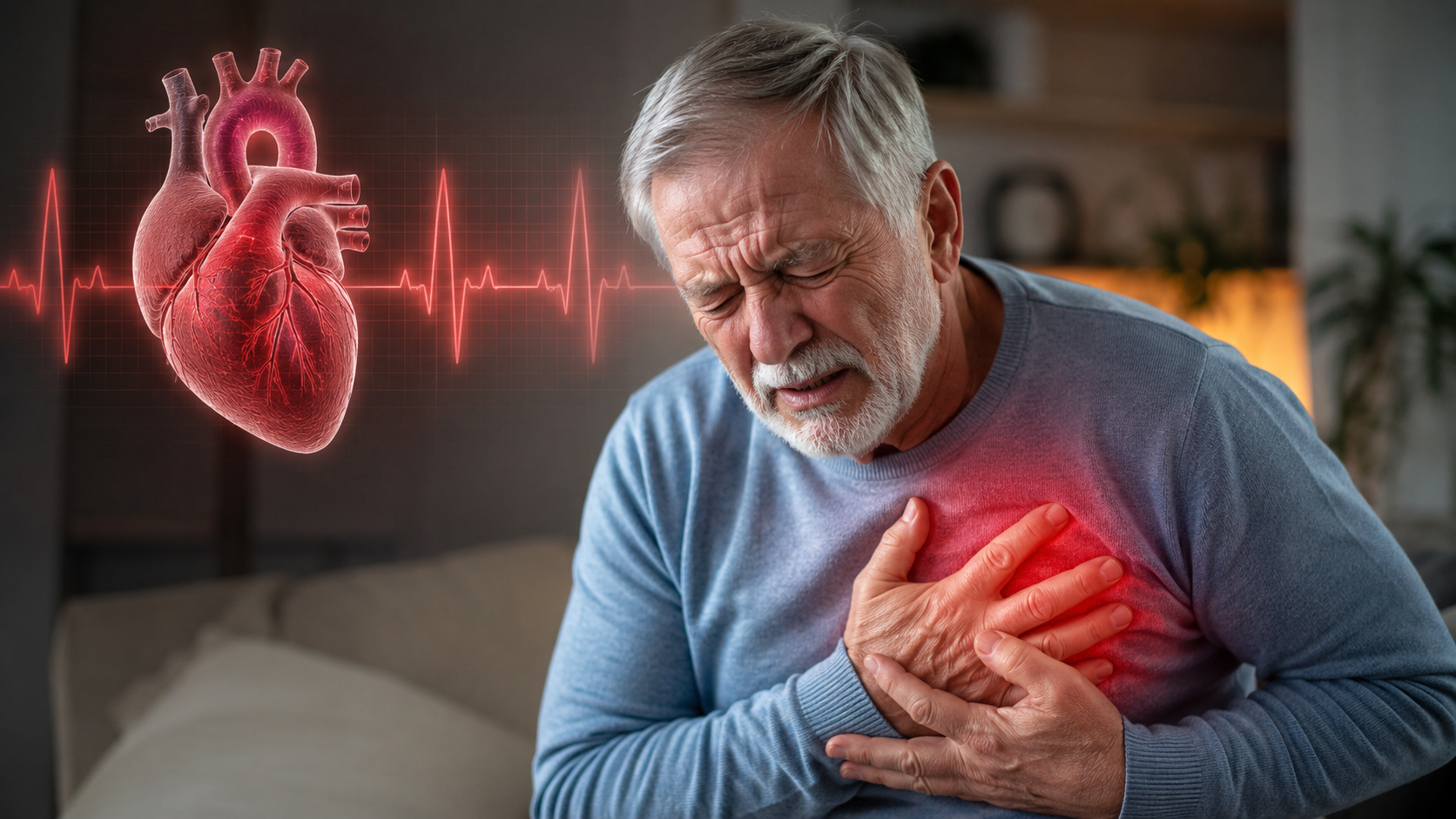
Many people experience only mild discomfort, pressure, or tightness in the chest rather than severe pain.
Some describe it as:
* A squeezing sensation.
* Pressure in the center of the chest.
* Burning similar to heartburn.
* Fullness or heaviness.
* Discomfort that comes and goes.
The discomfort may last only a few minutes before disappearing.
Never assume chest discomfort is harmless simply because it isn’t severe.
## 4. Pain That Travels Beyond the Chest
Heart-related pain does not always stay in the chest.
It may spread to:
* The shoulders
* Arms
* Neck
* Jaw
* Back
* Upper abdomen
Many women in particular experience jaw pain, neck discomfort, or upper back pain rather than classic chest pain.
Some people mistake these symptoms for dental problems, muscle strain, or arthritis.
The body often sends signals in unexpected ways.
## 5. Swelling in the Legs, Feet, or Ankles
The heart and circulatory system work together to move blood throughout the body.
When the heart weakens, fluid may begin collecting in the lower extremities.
Signs include:
* Shoes suddenly feeling tighter.
* Socks leaving deep marks.
* Swollen ankles in the evening.
* Puffiness in the feet.
Although swelling can result from many conditions, persistent swelling should never be ignored.
## 6. Dizziness or Feeling Lightheaded
Occasional dizziness may not be serious.
Frequent episodes, however, could indicate that the brain is not receiving enough blood flow.
You may experience:
* Feeling faint when standing up.
* Sudden dizziness without explanation.
* Difficulty maintaining balance.
* Near-fainting episodes.
Irregular heart rhythms can sometimes reduce blood flow to the brain, creating these symptoms.
## 7. Heart Palpitations
Everyone occasionally notices their heartbeat after exercise or excitement.
Persistent palpitations are different.
People describe them as:
* Fluttering in the chest.
* Skipped beats.
* Racing heartbeat.
* Pounding sensations.
Some arrhythmias are harmless.
Others may increase the risk of stroke or serious complications.
Pay particular attention if palpitations occur alongside dizziness or shortness of breath.
## 8. Excessive Sweating Without a Clear Cause
Unexpected sweating can be an important warning sign.
You may suddenly experience:
* Cold sweats.
* Heavy sweating during mild activity.
* Sweating while resting.
This symptom is particularly concerning when combined with chest discomfort or nausea.
## 9. Nausea, Indigestion, or Stomach Discomfort
Heart symptoms do not always involve the chest.
Many people experience:
* Nausea
* Stomach pressure
* Indigestion
* Bloating
* Upper abdominal discomfort
Women are especially likely to report these symptoms during cardiac events.
Because these symptoms mimic digestive problems, many individuals delay seeking treatment.
## 10. Sleep Problems That Seem Unrelated
Poor sleep can sometimes signal heart problems.
Possible signs include:
* Waking suddenly gasping for air.
* Frequent nighttime urination.
* Difficulty lying flat.
* Persistent insomnia related to breathing discomfort.
Sleep disturbances often appear long before a diagnosis is made.
## 11. Reduced Exercise Tolerance
Think about your abilities one year ago.
Can you still:
* Walk the same distance?
* Climb stairs comfortably?
* Carry groceries easily?
* Complete household tasks without stopping?
A gradual decline may reflect normal aging.
A sudden or noticeable change deserves attention.
## 12. Persistent Cough
A chronic cough that produces white or pink mucus may sometimes indicate fluid accumulation associated with heart failure.
While coughs are commonly caused by infections or allergies, persistent symptoms should be evaluated.
## How Symptoms Differ Between Men and Women
Men often experience:
* Chest pressure
* Arm pain
* Sweating
Women frequently experience:
* Fatigue
* Nausea
* Jaw pain
* Back pain
* Shortness of breath
Because symptoms in women can appear less dramatic, diagnosis is sometimes delayed.
Awareness can save lives.
## The Silent Nature of Heart Disease
One of the most dangerous aspects of heart disease is its silence.
Many individuals discover a problem only after experiencing:
* A heart attack
* Heart failure
* Stroke
Years of damage may occur before symptoms become obvious.
Prevention and early detection are therefore essential.
## Major Risk Factors You Can Control
Although aging cannot be stopped, many risk factors can be managed.
### High Blood Pressure
Uncontrolled blood pressure damages artery walls over time.
Regular monitoring is essential.
### High Cholesterol
Excess cholesterol contributes to plaque buildup in arteries.
Healthy eating and exercise can help improve cholesterol levels.
### Diabetes
High blood sugar damages blood vessels and increases cardiovascular risk.
Managing blood sugar effectively protects the heart.
### Smoking
Smoking damages arteries and reduces oxygen delivery throughout the body.
Quitting smoking provides benefits at any age.
### Physical Inactivity
The heart is a muscle.
Like all muscles, it benefits from regular exercise.
## Foods That Support Heart Health
Nutrition plays a powerful role in prevention.
Heart-friendly foods include:
* Leafy greens
* Berries
* Whole grains
* Nuts
* Fish rich in omega-3 fats
* Beans
* Olive oil
Limiting processed foods, excess salt, and sugary drinks can also help protect cardiovascular health.
## The Importance of Regular Exercise
Adults over 50 should aim for regular physical activity whenever medically appropriate.
Excellent choices include:
* Walking
* Swimming
* Cycling
* Yoga
* Light strength training
Even 30 minutes of movement most days can significantly improve heart health.
## Managing Stress
Stress affects more than emotions.
Chronic stress can contribute to:
* Increased blood pressure
* Poor sleep
* Unhealthy eating habits
* Inflammation
Helpful strategies include:
* Meditation
* Spending time outdoors
* Social activities
* Reading
* Gentle exercise
## Why Routine Checkups Matter
Many serious conditions can be detected early through routine screening.
Important tests may include:
* Blood pressure checks
* Cholesterol testing
* Blood sugar screening
* Weight monitoring
* Cardiac evaluations when appropriate
Preventive care remains one of the most powerful tools available.
## When Should You Seek Immediate Medical Attention?
Seek urgent medical care if you experience:
* Chest pressure lasting several minutes.
* Pain spreading to the arm or jaw.
* Severe shortness of breath.
* Sudden dizziness or fainting.
* Cold sweats with chest discomfort.
* Symptoms that appear suddenly and intensely.
Rapid treatment can dramatically improve outcomes.
## Small Lifestyle Changes Create Big Results
Many people assume heart disease is inevitable after 50.
It is not.
Simple daily choices can make an enormous difference:
* Walking every day.
* Choosing healthier meals.
* Getting adequate sleep.
* Managing stress.
* Staying socially connected.
* Following medical advice.
Health improvements are possible at every age.
## A Story That Happens Every Day
Consider a common example.
A 58-year-old man begins feeling tired after work. He assumes it is simply age. A few months later he notices shortness of breath while mowing the lawn. He blames being out of shape.
Then he starts experiencing occasional indigestion after dinner.
Eventually, his wife insists he see a doctor.
Testing reveals significant coronary artery blockage.
Fortunately, treatment begins before a major heart attack occurs.
Stories like this happen every day.
The body often whispers before it screams.
## Listen To Those Whispers
Your body is constantly communicating.
The challenge is learning to listen.
Do not dismiss symptoms simply because they seem minor or because they do not match what you expect heart disease to feel like.
The earlier problems are identified, the more treatment options become available and the better the outcomes often are.
## Protecting Your Heart For The Next Chapter Of Life
Turning 50 is not the beginning of decline.
For many people, it becomes the beginning of their healthiest years.
Retirement, travel, grandchildren, hobbies, and new experiences all lie ahead.
Protecting your heart helps protect those opportunities.
Pay attention to changes.
Take symptoms seriously.
Schedule regular checkups.
Move your body.
Eat nourishing foods.
Prioritize sleep.
Manage stress.
And above all, remember this:
Growing older does not mean accepting poor health as inevitable.
Your heart has worked tirelessly for you every moment of your life.
After 50, it deserves your attention more than ever.