Turning 50 is not the beginning of decline—it is the beginning of a new chapter. Many people in their 50s, 60s, and even 70s are healthier, more active, and more energetic than previous generations ever imagined possible.
However, there is one undeniable truth: the body changes with age.
Muscle mass gradually decreases. Bone density becomes weaker. Metabolism slows down. The risk of heart disease, diabetes, high blood pressure, and memory problems increases. Recovery takes longer, and maintaining energy requires more effort than it did in younger years.
The good news is that food can become one of the most powerful tools for healthy aging.
The right foods can protect your heart, strengthen your bones, improve brain function, support healthy digestion, reduce inflammation, and help preserve muscle mass for decades to come.
Nutrition experts agree that adults over 50 don’t need expensive supplements or trendy diets. Instead, they need consistent access to nutrient-rich foods that support the body’s changing needs.
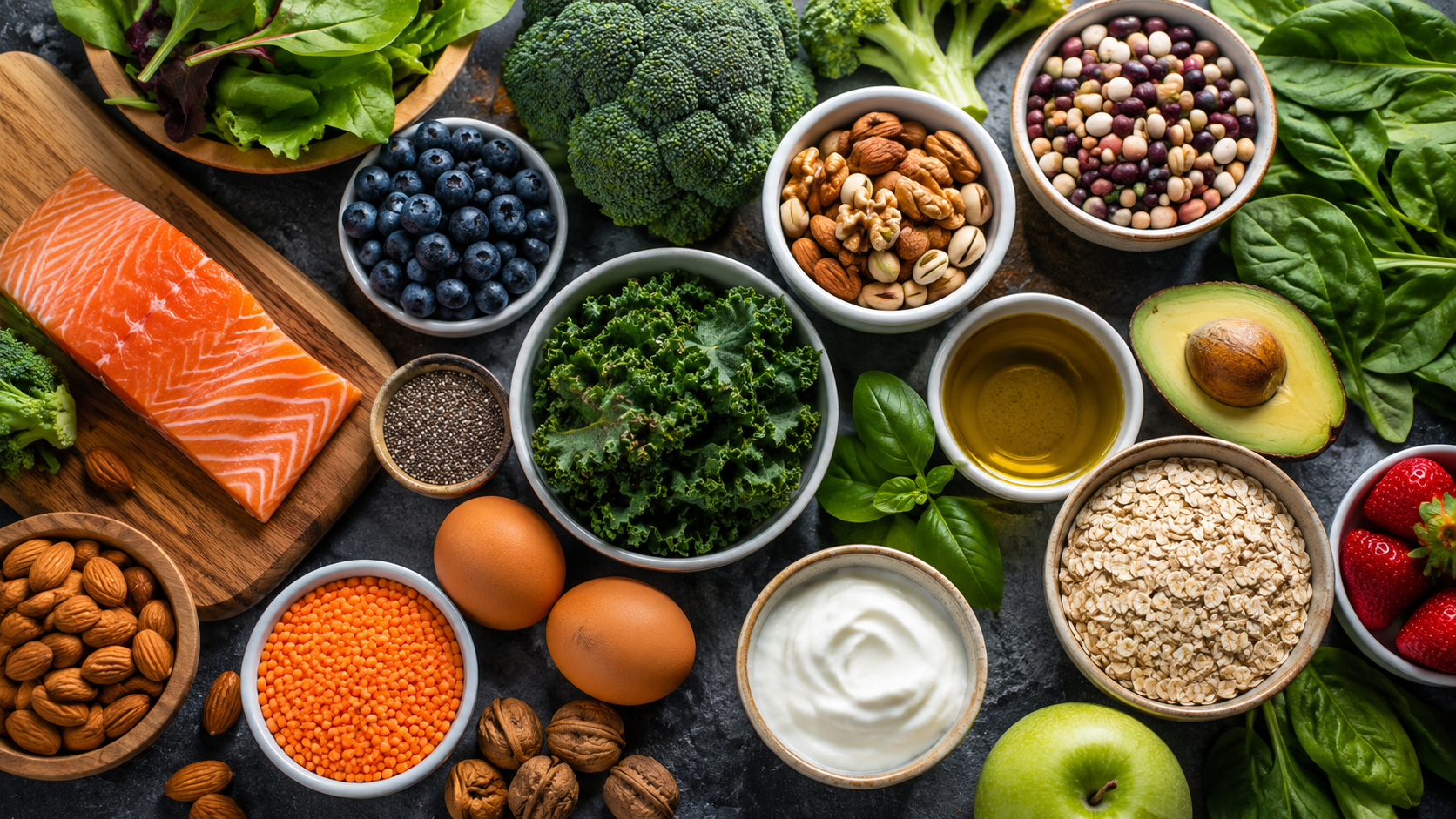
Here are ten foods every adult over 50 should aim to eat every week.
—
## 1. Fatty Fish: Nature’s Best Brain and Heart Protector
Fatty fish is often called one of the healthiest foods on Earth, and for good reason.
As we age, our risk of cardiovascular disease rises significantly. At the same time, many adults begin noticing changes in memory, concentration, and mental sharpness.
Fatty fish provides omega-3 fatty acids, which support both heart and brain health.
Examples include:
* Salmon
* Sardines
* Trout
* Mackerel
* Herring
* Tuna
Omega-3 fats help lower inflammation throughout the body. Chronic inflammation has been linked to aging and many diseases that become more common after age 50.
Research suggests that people who regularly consume fatty fish may experience:
* Lower risk of heart disease
* Better cholesterol levels
* Improved blood vessel function
* Reduced inflammation
* Better cognitive performance
* Lower risk of age-related memory decline
Many experts recommend eating fatty fish at least two times per week.
If fresh fish is expensive, canned salmon and sardines are affordable and highly nutritious alternatives.
## 2. Leafy Green Vegetables: The Ultimate Anti-Aging Food
If there were a single food group that deserves the title of “healthy aging superstar,” leafy greens would be near the top of the list.
These vegetables are packed with nutrients while remaining low in calories.
Excellent choices include:
* Spinach
* Kale
* Swiss chard
* Collard greens
* Arugula
* Romaine lettuce
Leafy greens contain:
* Vitamin K
* Folate
* Magnesium
* Potassium
* Calcium
* Fiber
* Antioxidants
Vitamin K plays a major role in maintaining strong bones, something that becomes increasingly important after age 50.
Meanwhile, antioxidants help protect cells from damage caused by aging and environmental stress.
People who eat more leafy vegetables often enjoy:
* Better heart health
* Stronger bones
* Improved digestion
* Better eye health
* Lower inflammation levels
Adding just one serving of greens to lunch and dinner can make a major difference over time.
—
## 3. Berries: Tiny Fruits with Extraordinary Benefits
Berries may be small, but their health benefits are enormous.
Blueberries, strawberries, raspberries, and blackberries contain powerful antioxidants that help protect the body from oxidative stress.
Oxidative stress is one of the major contributors to aging.
It affects:
* Brain cells
* Blood vessels
* Skin
* Muscles
* Organs
Some scientists even refer to blueberries as “brain berries” because of their potential effects on memory and cognitive function.
Regular berry consumption has been associated with:
* Better memory
* Healthier blood pressure levels
* Improved blood sugar control
* Reduced inflammation
* Healthier skin
Unlike many sweet snacks, berries offer natural sweetness without excessive sugar.
Adding berries to oatmeal, yogurt, or smoothies is an easy way to increase nutrient intake.
Aim for several servings each week.
—
## 4. Eggs: A Nutritional Powerhouse for Healthy Aging
For many years, eggs had an unfair reputation.
Today, nutrition science tells a different story.
Eggs are one of the most complete sources of protein available.
Protein becomes increasingly important after age 50 because muscle loss accelerates with aging.
Without adequate protein intake, adults may experience:
* Loss of strength
* Reduced mobility
* Increased risk of falls
* Slower recovery from illness
Eggs provide:
* High-quality protein
* Vitamin B12
* Choline
* Selenium
* Vitamin D
Choline is particularly important because it supports brain health and memory function.
Many adults over 50 do not consume enough protein during breakfast.
Replacing sugary breakfast foods with eggs can help maintain muscle mass and keep hunger under control throughout the day.
—
## 5. Greek Yogurt: A Friend to Bones and Digestion
Bone health becomes a major concern after age 50.
Women, especially after menopause, experience a rapid decline in bone density.
Men also lose bone mass over time.
Greek yogurt provides several nutrients essential for healthy aging:
* Calcium
* Protein
* Potassium
* Probiotics
Calcium helps maintain strong bones and teeth.
Protein supports muscle preservation.
Probiotics support a healthy digestive system.
The gut plays an important role in immunity, nutrient absorption, and even mental health.
A healthy digestive system can contribute to:
* Better nutrient absorption
* Improved immune function
* Better digestion
* Reduced bloating
Choose plain Greek yogurt whenever possible and add fresh fruit for sweetness.
—
## 6. Beans and Lentils: Affordable Nutrition with Incredible Benefits
Beans may not receive as much attention as trendy superfoods, but they deserve a permanent place in every healthy diet.
Examples include:
* Black beans
* Kidney beans
* Chickpeas
* Lentils
* Pinto beans
These foods are rich in:
* Fiber
* Protein
* Iron
* Magnesium
* Potassium
Fiber becomes increasingly important with age because digestive systems often slow down.
Adequate fiber intake supports:
* Healthy digestion
* Better blood sugar control
* Lower cholesterol levels
* Improved heart health
Beans also help people feel full longer, making them useful for maintaining a healthy weight.
Because they are inexpensive and versatile, beans are one of the best nutritional investments available.
—
## 7. Nuts: Small Snacks with Big Health Rewards
Nuts are rich in healthy fats, protein, vitamins, and minerals.
Some of the healthiest options include:
* Walnuts
* Almonds
* Pistachios
* Cashews
* Pecans
Studies have repeatedly linked regular nut consumption with longer life expectancy.
Benefits may include:
* Better heart health
* Reduced inflammation
* Improved cholesterol levels
* Better brain function
* Lower risk of chronic disease
Walnuts are particularly interesting because they contain plant-based omega-3 fatty acids.
A small handful of nuts each day can provide impressive health benefits without requiring major dietary changes.
However, portion size matters because nuts are calorie-dense.
—
## 8. Olive Oil: The Secret Behind Mediterranean Longevity
People living in Mediterranean regions have long attracted scientific attention because of their remarkable longevity.
One dietary factor consistently stands out:
Olive oil.
Extra virgin olive oil contains powerful antioxidants and healthy fats that support overall health.
Regular consumption has been associated with:
* Lower risk of heart disease
* Reduced inflammation
* Better blood pressure control
* Improved cholesterol balance
Many experts consider olive oil one of the healthiest fat sources available.
Replacing butter or highly processed oils with olive oil is a simple change that may produce significant long-term benefits.
Use it for:
* Salad dressings
* Cooking vegetables
* Drizzling over fish
* Healthy marinades
—
## 9. Whole Grains: Fuel for Energy and Digestive Health
Many adults notice changes in energy levels after turning 50.
Whole grains provide slow, steady energy rather than the rapid spikes and crashes associated with refined carbohydrates.
Excellent options include:
* Oatmeal
* Brown rice
* Quinoa
* Whole wheat bread
* Barley
Whole grains contain:
* Fiber
* B vitamins
* Magnesium
* Iron
The fiber in whole grains supports digestive health while helping regulate blood sugar levels.
Starting the day with oatmeal, for example, can help maintain energy and reduce unhealthy snacking later in the day.
Whole grains also support heart health by helping lower cholesterol levels.
—
## 10. Avocados: Healthy Fats for Healthy Aging
Avocados have become increasingly popular, and much of that popularity is deserved.
They are rich in:
* Healthy monounsaturated fats
* Potassium
* Fiber
* Vitamin E
* Folate
Healthy fats are essential for:
* Brain function
* Hormone production
* Heart health
* Cell repair
Potassium plays an important role in blood pressure regulation.
Many adults consume too much sodium and not enough potassium.
Avocados help restore that balance.
They are also incredibly versatile and can be added to:
* Salads
* Sandwiches
* Smoothies
* Eggs
* Whole grain toast
—
# Foods Adults Over 50 Should Limit
While adding healthy foods is important, reducing certain foods can be equally valuable.
Foods worth limiting include:
* Sugary drinks
* Processed meats
* Deep-fried foods
* Highly processed snacks
* Excessive alcohol
* Refined carbohydrates
These foods may contribute to inflammation, weight gain, and increased risk of chronic disease.
Healthy aging is not about perfection.
It is about making better choices more often.
—
# The Importance of Protein After 50
One of the biggest nutritional mistakes adults make after age 50 is failing to consume enough protein.
Muscle loss can begin as early as the 30s and accelerates with age.
This condition can lead to:
* Weakness
* Falls
* Reduced independence
* Lower quality of life
Protein-rich foods such as fish, eggs, yogurt, beans, and nuts can help preserve muscle mass and strength.
Many experts recommend including protein with every meal.
—
# Hydration Matters More Than Ever
Many older adults become less sensitive to thirst signals.
As a result, dehydration becomes more common with age.
Even mild dehydration may contribute to:
* Fatigue
* Confusion
* Headaches
* Constipation
Water remains the best choice.
Soups, fruits, vegetables, and herbal teas can also contribute to daily fluid intake.
—
# Why Nutrition Becomes More Important with Age
When we are younger, poor eating habits may take years to show their effects.
After age 50, however, nutrition often influences how we feel every single day.
Good nutrition affects:
* Energy levels
* Sleep quality
* Mobility
* Immune function
* Mental clarity
* Recovery from illness
The foods we choose today help determine the quality of life we enjoy tomorrow.
—
# Building the Ideal Weekly Plate After 50
A healthy weekly meal plan does not need to be complicated.
Try building meals around these principles:
* Include protein with every meal.
* Eat vegetables every day.
* Choose whole grains over refined grains.
* Include healthy fats regularly.
* Eat fruit instead of sugary desserts.
* Stay hydrated.
Consistency matters far more than perfection.
—
# Small Changes Create Big Results
Many people believe they need dramatic diets or expensive supplements to stay healthy after 50.
The truth is often much simpler.
Replacing soda with water.
Choosing oatmeal instead of sugary cereal.
Adding vegetables to dinner.
Eating fish twice per week.
Having nuts instead of chips.
These small decisions, repeated hundreds of times over months and years, can create powerful improvements in health.
—
# Final Thoughts
Growing older is a privilege that not everyone receives.
The goal is not merely to live longer but to live better.
The foods we eat influence how we move, think, feel, and age.
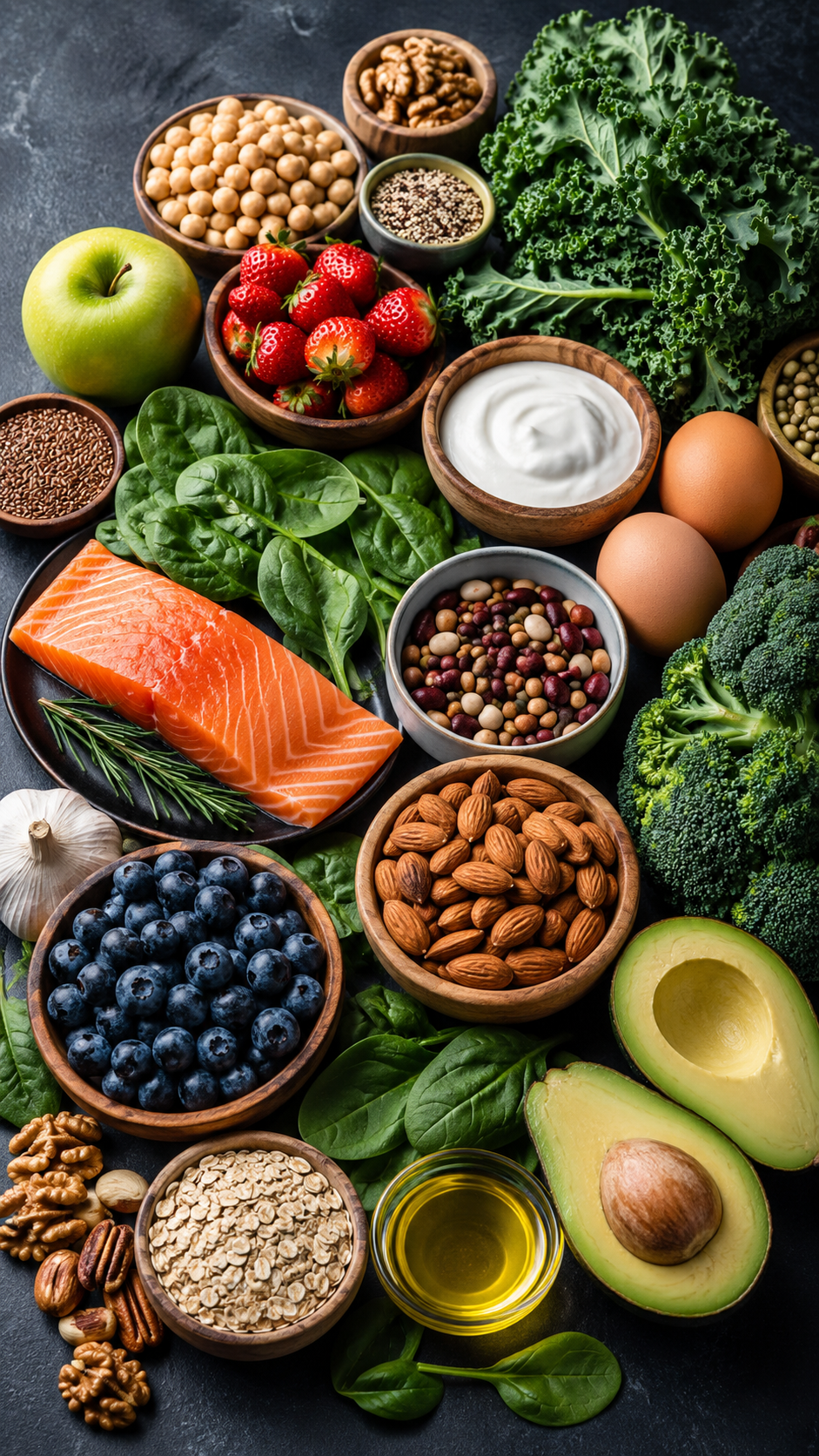
By making fatty fish, leafy greens, berries, eggs, Greek yogurt, beans, nuts, olive oil, whole grains, and avocados regular parts of your weekly diet, you can give your body the nutrients it needs to stay strong and vibrant for years to come.
Healthy aging does not happen overnight.
It happens meal by meal, choice by choice, day after day.
Start with one change this week.
Your future self will thank you for it.