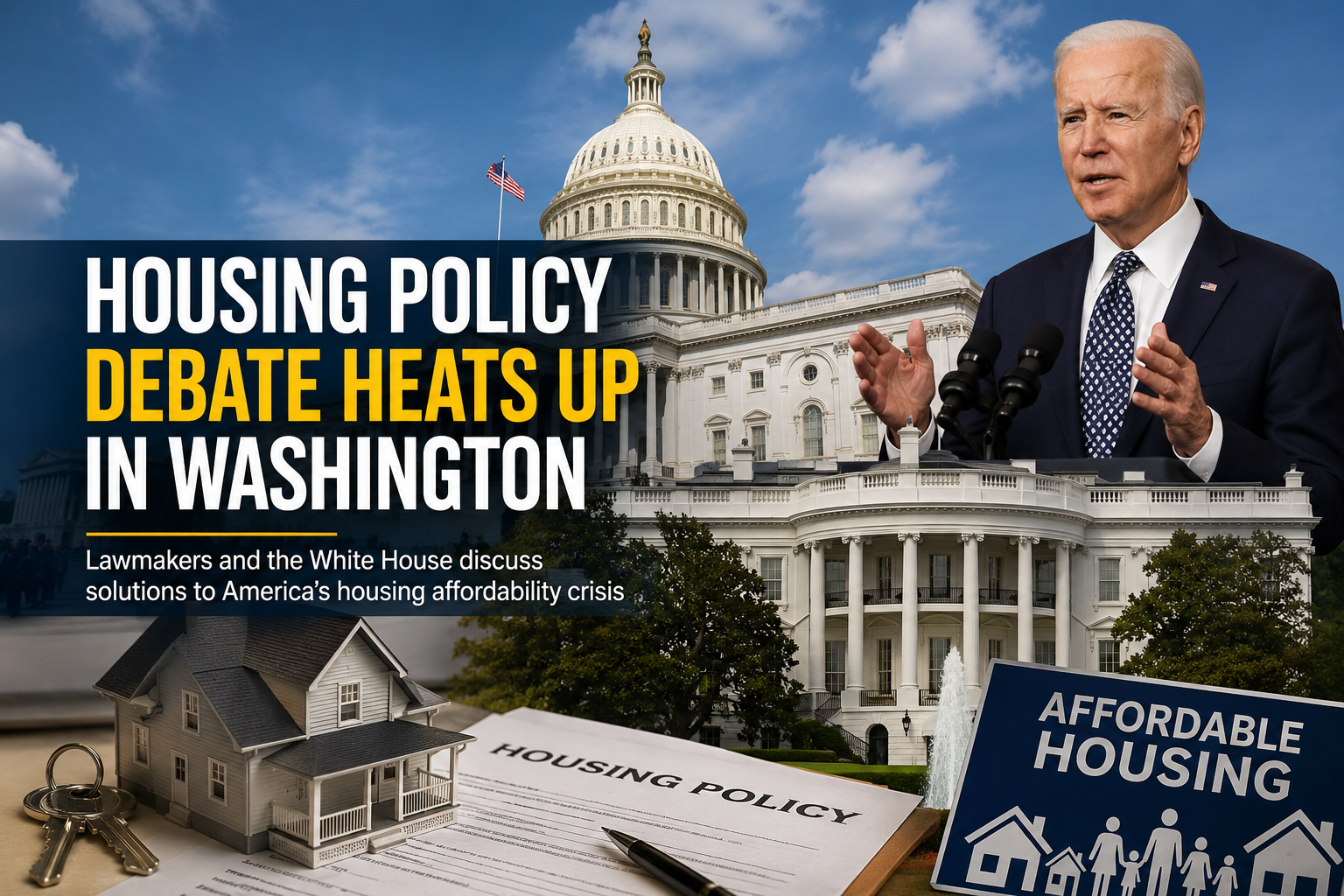
The cost of finding a place to live in the United States has become one of the country’s most pressing challenges, and the conversation surrounding housing affordability is now dominating political discussions in Washington, D.C. As home prices remain elevated in many regions and rental costs continue to strain household budgets, policymakers are under growing pressure to find practical solutions that can benefit both current residents and future generations.
For many Americans, owning a home has long represented financial stability and personal achievement. However, in recent years, that dream has become increasingly difficult to attain. Young professionals, middle-income families, and first-time buyers often face fierce competition, limited housing inventory, and financing challenges that make entering the housing market more difficult than ever before.
Against this backdrop, lawmakers and administration officials have been discussing a range of policy proposals designed to improve housing affordability and increase the availability of homes across the country. These discussions have attracted significant public attention because the outcome could influence the lives of millions of people, from renters searching for affordable apartments to families hoping to purchase their first home.
Supporters of housing reform argue that expanding residential construction and encouraging new development could help reduce long-term shortages. They believe that increasing the supply of homes may ease market pressures, stabilize prices over time, and create more opportunities for people seeking affordable places to live.
Others urge caution, emphasizing that policy changes should be carefully evaluated to ensure they achieve their intended goals without creating unintended economic consequences. Some experts also highlight the importance of cooperation among federal, state, and local governments, as well as private developers and community organizations, to address housing challenges effectively.
The issue extends beyond real estate. Housing affordability can influence workforce mobility, local economic growth, consumer spending, and overall financial security for households. When families spend a large share of their income on housing, they often have fewer resources available for education, healthcare, savings, and other essential needs.
Communities across the nation continue to experience varying housing conditions. In some metropolitan areas, demand has consistently outpaced supply, contributing to competitive markets and rising prices. In other regions, local officials are exploring ways to encourage investment and support sustainable development while preserving affordability for existing residents.
Public interest in the debate reflects the broad impact of housing policy on everyday life. Whether someone is renting an apartment, purchasing a home, investing in property, or simply planning for the future, decisions made by policymakers can have meaningful long-term effects.
As discussions continue, many observers expect housing to remain a central topic in national policy conversations. While opinions differ on the best approach, there is widespread recognition that improving access to affordable housing is an important objective with implications for economic opportunity, community development, and quality of life across the United States.
The coming months may prove significant as policymakers consider various proposals and stakeholders continue to contribute ideas. For millions of Americans watching these developments, the hope is that future actions will help create a housing market that is more accessible, more sustainable, and better equipped to meet the needs of a changing nation.